Choosing where to dive next can feel overwhelming when the world offers so many incredible underwater experiences. From the coral gardens of Southeast Asia to the dramatic walls of the Caribbean, the best scuba destinations combine exceptional marine life, favorable diving conditions, and reliable infrastructure. Whether you’re planning your first dive trip or adding another stamp to your logbook, understanding what makes a destination truly special helps you make the most of your time and budget. This guide explores what defines world-class diving locations and highlights regions that consistently deliver unforgettable underwater adventures.
What Makes a Destination Great for Diving
Not all dive sites are created equal. The truly exceptional locations share specific characteristics that set them apart.
Marine Biodiversity and Ecosystem Health
Healthy reefs support thriving marine communities. Research shows that effective marine protection can more than triple dive tourism revenue by allowing fish populations to recover naturally. When you dive in well-managed marine protected areas, you’re not just seeing more fish-you’re witnessing entire ecosystems functioning as they should.
The best diving areas feature:
- High species diversity across multiple trophic levels
- Active coral reproduction and recruitment
- Presence of indicator species like sharks and groupers
- Minimal signs of bleaching or physical damage
- Clear food chain dynamics visible during dives
Water Conditions and Visibility
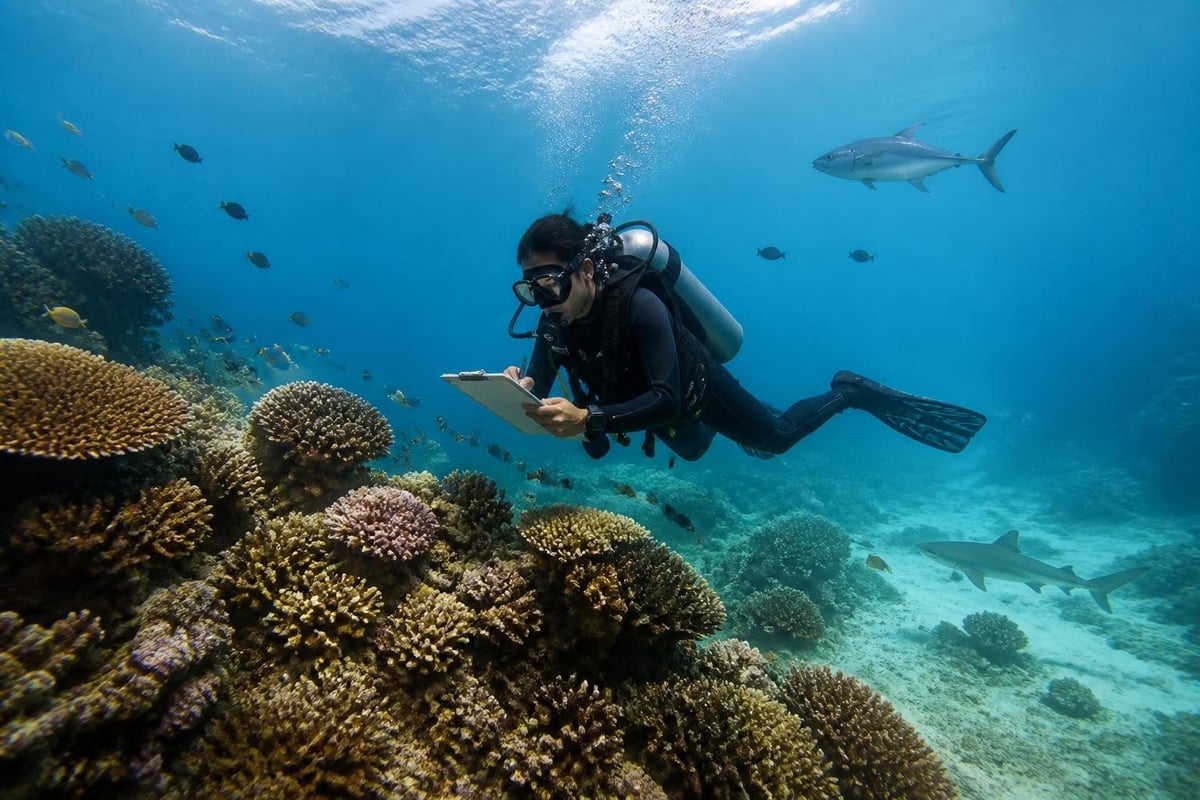
Crystal-clear water transforms good dives into spectacular ones. Visibility ranging from 15 to 40 meters allows you to appreciate the full scope of reef structures and marine behavior. Water temperature affects both comfort and marine life distribution, with tropical destinations offering year-round diving in 26-30°C waters.
| Factor | Ideal Range | Impact on Diving |
|---|---|---|
| Visibility | 20-40 meters | Photography, navigation, marine life observation |
| Temperature | 26-30°C | Comfort, wetsuit thickness, dive duration |
| Current | Mild to moderate | Drift diving, nutrient delivery, fish aggregations |
| Thermoclines | Minimal or absent | Consistent comfort, easier equalization |
Infrastructure and Professional Standards
Reliable dive operators make all the difference. Professional centers maintain equipment to manufacturer standards, employ experienced instructors, and prioritize safety protocols. Look for facilities offering small group sizes, quality rental gear, and proper emergency oxygen supplies.
Southeast Asia’s Premier Diving Regions
This region dominates many divers’ bucket lists for good reason.
The Philippines: Palawan and Beyond
Palawan consistently ranks among the world’s top dive destinations. The province’s 1,780 islands create sheltered dive sites with exceptional coral coverage and marine diversity. El Nido’s limestone karst formations extend underwater, creating dramatic walls and swim-throughs that shelter everything from pygmy seahorses to schools of jacks.
What makes Palawan special:
- Over 500 coral species recorded in the region
- Year-round diving with water temperatures rarely dropping below 27°C
- Protected dive sites within El Nido-Taytay Managed Resource Protected Area
- Accessibility combined with relatively undeveloped underwater environments
When planning a comprehensive diving trip to the Philippines, consider locations beyond just day trips. If you’re looking to maximize your bottom time while experiencing El Nido’s best sites, the El Nido Dive & Stay Package allows you to base yourself beachfront and dive directly from your accommodation, eliminating daily travel to dive centers and giving you more flexibility in your schedule.
The broader Philippine archipelago offers incredible variety. Anilao provides world-class macro photography opportunities, while Tubbataha Reef (accessible via liveaboard) delivers big pelagic encounters. Malapascua’s thresher shark cleaning stations create reliable early-morning encounters found nowhere else.
Indonesia’s Diverse Underwater Landscapes
Indonesia’s 17,000 islands create endless diving possibilities. Raja Ampat leads with the highest recorded marine biodiversity on Earth-over 1,600 fish species and 600 coral species in a relatively compact area. The region’s position within the Coral Triangle makes it a global center for marine evolution.
Komodo National Park combines strong currents with nutrient-rich waters, attracting manta rays to cleaning stations and creating drift dives past soft coral gardens. Bali’s USAT Liberty wreck in Tulamben offers easy shore diving access to a fully encrusted World War II cargo ship.
The Caribbean’s Classic Sites
The Caribbean offers a completely different diving character from the Indo-Pacific.
Cozumel’s Drift Diving Experience
Mexico’s Cozumel delivers effortless drift diving along massive coral formations. The Mesoamerican Reef-the western hemisphere’s longest barrier reef-runs along the island’s western shore. Consistent currents between 1-3 knots allow you to glide past towering coral heads and through swim-throughs without fin effort.
The marine life differs notably from Asian reefs:
- Large barrel sponges and tube sponges dominate vertical surfaces
- Caribbean reef sharks and nurse sharks patrol outer walls
- Splendid toadfish (endemic to Cozumel) hide in reef crevices
- Eagle rays cruise along drop-offs during winter months
Cayman Islands: Wall Diving at Its Best
The Cayman Islands feature dramatic walls beginning in shallow water and plunging beyond recreational diving limits. Grand Cayman’s north wall offers easy access to vertical coral faces, while Little Cayman’s Bloody Bay Wall starts at 6 meters before dropping into the abyss.
Pacific Ocean Highlights
The world’s largest ocean contains some of its most remote and pristine dive sites.
Palau’s Jellyfish Lake and Blue Corner
Palau combines unique encounters with world-class reef diving. While Jellyfish Lake offers a surreal snorkeling experience among millions of stingless jellyfish, the real diving happens at sites like Blue Corner. This legendary promontory attracts massive schools of barracuda, patrolling grey reef sharks, and cruising eagle rays.
Palau’s diving stands out for:
- Strong conservation ethic with protected areas since 2009
- Over 60 vertical drop-offs and coral walls
- World War II wrecks in Chuuk Lagoon nearby
- Consistent visibility exceeding 30 meters
Hawaii’s Volcanic Underwater Terrain
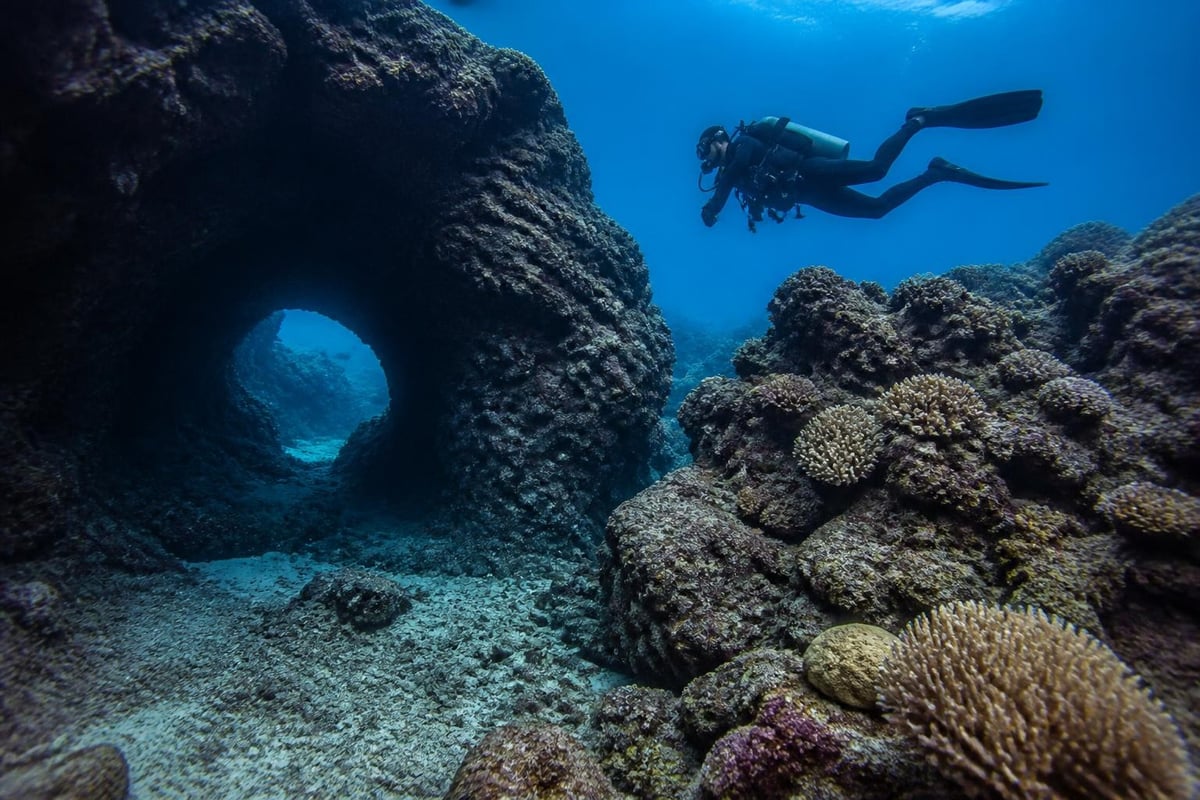
The Hawaiian Islands offer diving shaped by volcanic geology. Lava tubes, caves, and arches create dramatic topography, while endemic species found nowhere else add biological interest. Kona’s night diving with manta rays delivers a bucket-list experience as these gentle giants perform barrel rolls through divers’ lights.
Red Sea Destinations
Egypt’s Red Sea coast provides accessible diving with exceptional visibility and unique marine life.
Ras Mohammed and the Sinai Peninsula
Ras Mohammed National Park protects some of the Red Sea’s healthiest reefs. Shark Reef and Yolanda Reef feature steep walls, strong currents, and regular shark encounters. The wrecks of the SS Thistlegorm-a British merchant navy ship sunk in 1941-ranks among the world’s best wreck dives, with motorcycles, trucks, and ammunition still visible in the holds.
Red Sea diving characteristics:
- Extremely high visibility (often 30-40 meters)
- Vibrant soft corals in purple, red, and orange
- Lack of seasonal typhoons or hurricanes
- Year-round diving with minimal weather interruptions
Sudan’s Remote Southern Sites
For experienced divers seeking unspoiled reefs, Sudan’s southern Red Sea sites offer liveaboard-only access to pristine coral systems. Shaab Rumi features Jacques Cousteau’s underwater habitat experiment, while Sanganeb Atoll’s lighthouse marks spectacular wall diving with hammerhead shark encounters.
Indian Ocean Gems
The Indian Ocean contains several world-class diving regions, each with distinct characteristics.
Maldives: Atoll Channel Diving
The Maldives’ geography creates unique diving dynamics. Atolls form rings of coral surrounding deep lagoons, with channels connecting inner lagoons to the open ocean. During tidal changes, these channels become highways for pelagic life. Manta rays filter-feed in the current, while grey reef sharks patrol the drop-offs.
The best Maldives diving includes:
- Channel diving during incoming tides for pelagic encounters
- Thila (seamount) diving for reef fish aggregations
- Night diving for nurse shark and stingray activity
- Wreck diving on purpose-sunk vessels colonized by coral
Mozambique’s Megafauna Encounters
Southern Mozambique delivers reliable encounters with large marine animals. Tofo Beach offers year-round diving with manta rays and frequent whale shark sightings. The continental shelf’s proximity to shore creates upwellings that attract filter feeders to nutrient-rich waters.
Factors to Consider When Choosing Your Destination
Making the right choice depends on your experience level, interests, and practical constraints.
Matching Your Certification and Experience
Beginner divers need different conditions than technical divers. If you’re newly certified or considering your first diving trip, look for destinations with calm conditions, shallow reefs, and excellent instruction. For those interested in getting started with diving, choosing a location with professional training infrastructure matters as much as the underwater scenery.
| Experience Level | Ideal Conditions | Suitable Destinations |
|---|---|---|
| Open Water (beginner) | Minimal current, 10-18m depth, clear water | El Nido, Cozumel, Cayman Islands |
| Advanced | Moderate current, 18-30m depth, some navigation challenges | Palau, Maldives, Komodo |
| Technical | Strong current, deep walls, overhead environments | Sudan, Chuuk Lagoon, technical wrecks |
Budget and Travel Logistics
Destination costs vary dramatically. Southeast Asian locations typically offer better value than remote Pacific islands or Maldives resorts. Consider not just diving costs but accommodation, meals, and flights when calculating total trip expenses.
Travel time and accessibility matter for shorter trips. Destinations requiring multiple connections and long boat transfers eat into diving days. If you have limited vacation time, choosing a location with direct or simple access maximizes your underwater hours.
Seasonal Considerations and Weather Patterns
Most diving destinations have optimal seasons, though many offer year-round diving with varying conditions. Research your chosen location’s weather patterns, as monsoons affect visibility and sea conditions in tropical regions.
The Philippines’ El Nido region enjoys relatively stable conditions from November through May, with the calmest seas and best visibility during these months. Understanding these patterns helps you time your visit for optimal experiences.
Conservation and Sustainable Diving Practices
The best scuba destinations depend on divers respecting underwater environments.
Supporting Marine Protected Areas
Recent research on global dive sites demonstrates that upgrading unprotected dive sites within marine protected areas could add over $2 billion annually in tourism revenue while increasing biodiversity. When you choose destinations with strong conservation programs, your dive fees directly support reef protection.
Look for operators who:
- Brief divers on marine park regulations before dives
- Maintain proper buoyancy standards to prevent reef contact
- Use mooring buoys instead of anchoring on reefs
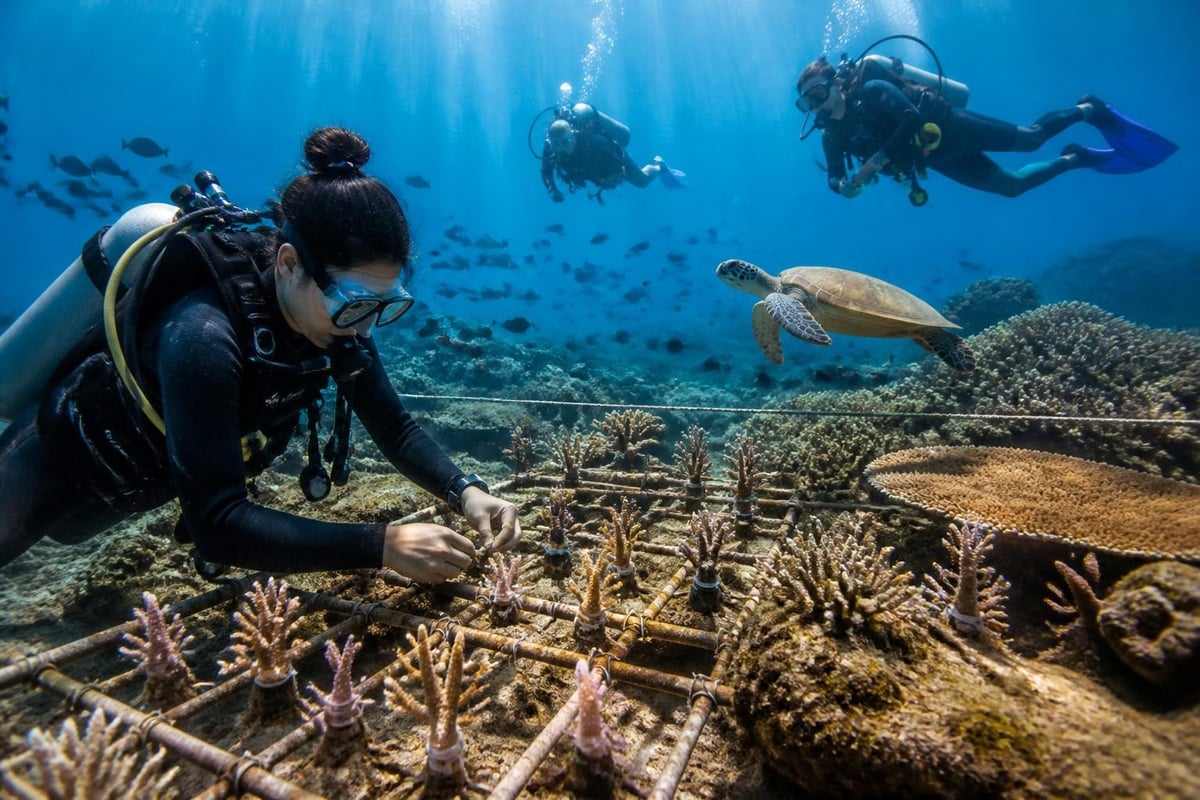
- Participate in reef monitoring or citizen science programs
- Limit group sizes to reduce environmental impact
Responsible Wildlife Interactions
Respecting marine life creates better experiences for everyone. Never touch, chase, or feed marine animals. Maintain appropriate distances from large animals-generally 3 meters for rays and turtles, further for sharks and whales. Flash photography can stress nocturnal species, so consider your lighting carefully during night dives.
Making the Most of Your Dive Destination
Choosing the right destination is just the beginning.
Research and Preparation
Study your destination’s signature species, dive site characteristics, and recommended operators before booking. Reading detailed guides to specific regions helps set realistic expectations and identify must-dive sites.
Check your certification level against site requirements. Some destinations’ best sites require Advanced certification or specific specialties like deep or drift diving. Planning certification upgrades before your trip opens more diving opportunities.
Working with Local Dive Professionals
Local knowledge transforms good diving into exceptional diving. Experienced guides know when pelagic species visit specific sites, where rare critters hide, and how to read current patterns for optimal timing. The difference between a checklist dive and a memorable experience often comes down to guide expertise.
For travelers exploring Palawan and the Philippines, understanding why Palawan consistently ranks as the Philippines’ number one dive destination helps you appreciate the region’s unique position in global diving.
Extending Beyond Standard Dive Tourism
Many best scuba destinations offer opportunities beyond boat diving. Shore diving provides flexibility and often access to macro life that boat-based groups overlook. National marine sanctuaries in the United States offer world-class diving with educational programs and research opportunities.
Consider adding specialty courses to your trip. Underwater photography courses help you document your experiences, while marine ecology programs deepen your understanding of what you’re seeing. These additions transform a dive vacation into a learning experience.
Emerging Destinations Worth Watching
Several lesser-known locations are developing into serious diving destinations.
The Solomon Islands
This Pacific nation offers incredible biodiversity with far fewer divers than more established destinations. World War II wrecks combined with pristine coral reefs create unique diving variety. The lack of mass tourism means you’ll often have sites to yourself.
Colombia’s Pacific Coast
Malpelo Island, a UNESCO World Heritage site, delivers massive schools of hammerhead sharks and whale shark encounters. The remote location requires liveaboard access, but the big animal encounters rival Cocos Island and Galapagos.
Timor-Leste
This young nation’s isolation preserved reefs that remain largely unexplored by diving tourism. Steep walls, muck diving, and proximity to the Banda Sea’s nutrient-rich waters create excellent conditions for both macro and wide-angle photography.
Planning Your Multi-Destination Dive Journey
Serious divers often plan trips combining multiple locations.
Creating Logical Geographic Clusters
Combining nearby destinations maximizes diving diversity while minimizing travel time. A Philippines trip might include El Nido for reef diving, Coron for wreck diving, and Anilao for macro photography. This approach lets you experience different underwater environments without changing countries or dealing with multiple long-haul flights.
When planning extended trips, consider basing yourself in one location with good infrastructure, then taking day trips or short transfers to variety. This reduces the exhaustion of constant packing and hotel changes while still offering diverse diving.
Balancing Diving Intensity with Rest
Even the best scuba destinations require pacing. Plan non-diving days for island exploration, cultural experiences, or simply resting. This approach prevents exhaustion and gives your body time to off-gas before flights.
Practical Booking Considerations
Smart planning starts months before you travel.
Peak Season vs. Off-Season Trade-offs
Peak season brings reliable weather and optimal visibility but also higher prices and crowded dive boats. Shoulder seasons often offer excellent diving with better value and fewer divers. Understanding these trade-offs helps you choose the right timing for your priorities.
Package Deals vs. A la Carte Booking
Some destinations work better with dive packages that bundle accommodation, diving, and meals. Others offer more flexibility through separate bookings. Integrated dive and stay packages particularly make sense when diving from resort-based locations where proximity to dive sites matters.
Research operators thoroughly before committing. Check recent reviews, verify certification and insurance, and confirm equipment quality standards. The cheapest option rarely delivers the best experience.
The world’s best scuba destinations reward those who choose thoughtfully based on their interests, skills, and travel style. Whether you’re drawn to Palawan’s limestone reefs, the Caribbean’s dramatic walls, or the Pacific’s remote atolls, matching your destination to your diving goals creates trips you’ll remember for years. Ready to experience world-class diving in one of Southeast Asia’s premier locations? Submariner diving offers professional instruction, private charters, and comprehensive dive packages in El Nido’s crystal-clear waters, with expert local guides who know exactly where and when to find the best underwater experiences.