Planning your underwater adventure in one of the Philippines’ most spectacular diving destinations starts with understanding what a scuba diving charter can offer. Whether you’re traveling with family, a group of dive buddies, or simply want a more personalized experience, a private charter transforms your diving holiday from a shared group activity into a tailored journey through some of the world’s most pristine marine environments. El Nido and the surrounding Palawan waters present ideal conditions for charter diving, with sheltered bays, diverse dive sites, and year-round accessibility that make every charter unique.
What Makes a Scuba Diving Charter Different
A scuba diving charter provides exclusive use of a dive boat and crew for your group, creating a completely customized diving experience. Unlike scheduled group dives where you join other divers on predetermined itineraries, a charter puts you in control of timing, locations, and the overall pace of your day.
The key advantages include:
- Complete flexibility in departure times and dive schedules
- Custom itinerary based on your group’s certification levels and interests
- Dedicated dive guide focused entirely on your group
- Freedom to spend more time at preferred sites
- Privacy for professional photography, training, or special occasions
- No waiting for other divers or rushing between dives
This level of personalization makes a scuba diving charter particularly valuable when diving with mixed-ability groups, photographers requiring specific conditions, or anyone seeking marine life encounters without the constraints of larger commercial operations.
Understanding Charter Pricing and Value
Charter costs vary significantly based on boat size, duration, included services, and destination. In El Nido, expect pricing to reflect the number of divers, tanks required, and distance to selected dive sites.
| Charter Component | Typical Inclusions | Optional Extras |
|---|---|---|
| Boat and crew | Captain, dive guide, boat fuel | Additional guides, photographers |
| Equipment | Tanks, weights | Full gear rental, Nitrox fills |
| Service | Drinking water, basic refreshments | Premium catering, underwater cameras |
| Duration | Half-day or full-day options | Extended multi-day liveaboard |
Most operators price charters for groups rather than per person, making them increasingly economical as group size grows. A boat accommodating six to eight divers typically offers the best value when fully booked, splitting costs while maintaining the personalized experience that defines charter diving.
Planning Your Charter Itinerary
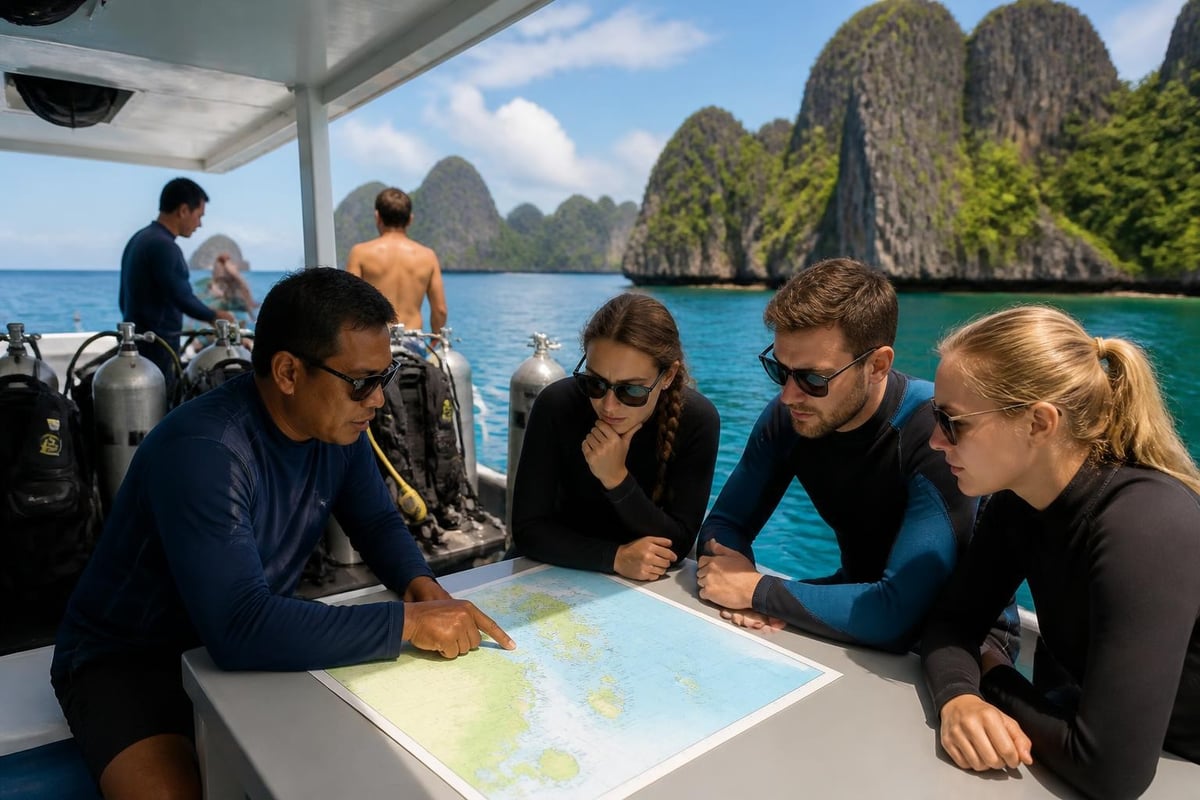
Successful charter planning begins months before you arrive in Palawan. Understanding seasonal conditions, dive site characteristics, and your group’s capabilities ensures every underwater minute delivers memorable experiences.
Start by assessing your group:
- Certification levels – Mix of beginners and advanced divers affects site selection
- Experience comfort – Recent diving history influences appropriate depths and conditions
- Special interests – Macro photography, wreck diving, or pelagic encounters shape destinations
- Physical considerations – Mobility, age range, and stamina determine dive intensity
El Nido’s geography offers remarkable diversity within short distances. Northern sites feature dramatic walls and drift dives, while southern locations provide sheltered reefs perfect for newer divers. Your charter can combine multiple environments in a single day, something impossible on fixed-schedule group boats.
Seasonal Considerations for Charter Planning
Palawan’s diving calendar shows distinct patterns that smart charter planners leverage. The northeast monsoon (November through April) brings calmer seas to western sites, while the southwest monsoon (May through October) can offer incredible visibility despite occasional afternoon squalls.
Marine life migrations also factor into charter timing. Understanding these patterns helps maximize your chances of encountering specific species, though responsible operators never guarantee wildlife sightings as natural behavior remains unpredictable.
When selecting your charter window, communicate openly with operators about conditions. Dive operators following safety standards prioritize diver welfare over commercial pressure, canceling or modifying plans when weather threatens safety.
Safety Standards and Professional Operations
A professional scuba diving charter operation demonstrates commitment to safety through visible procedures, well-maintained equipment, and experienced crew. Before booking, evaluate operators against established industry benchmarks.
Essential safety elements include:
- Valid business licenses and insurance coverage
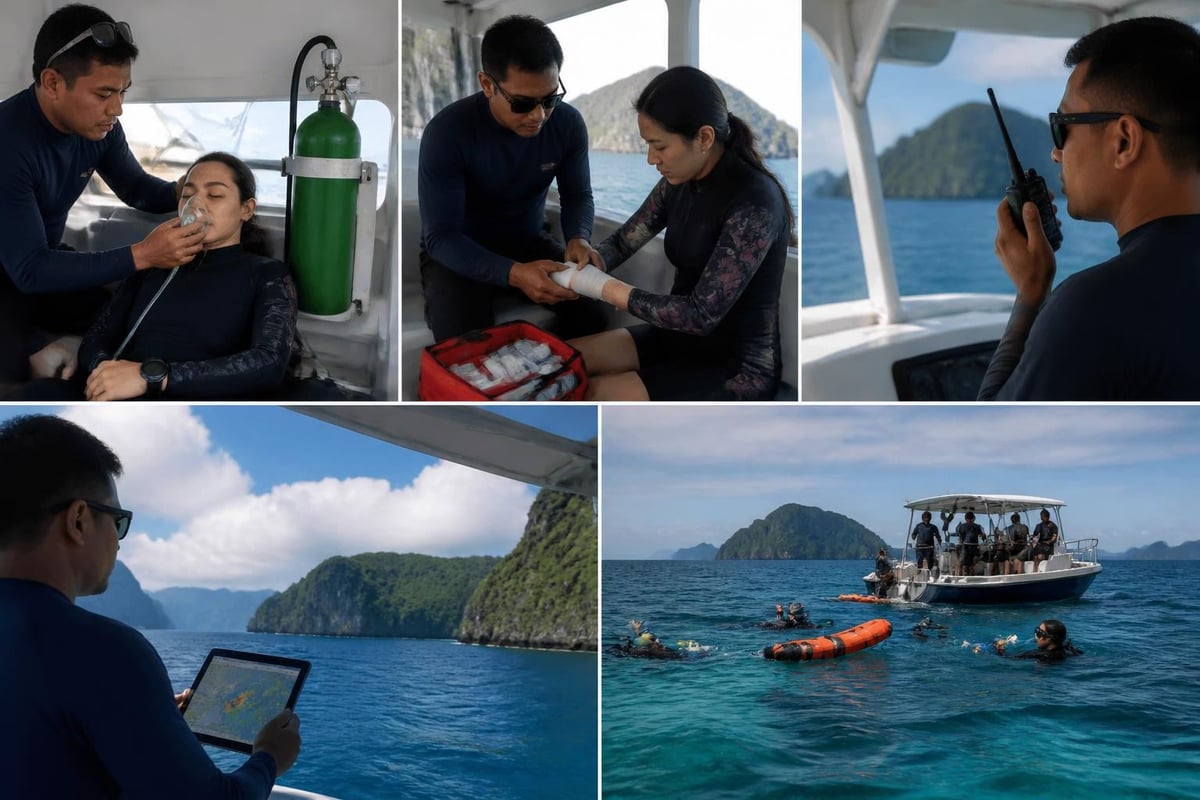
- Oxygen and first aid equipment aboard all vessels
- Communication systems including emergency contact protocols
- Crew trained in rescue procedures and emergency response
- Regular equipment servicing and inspection records
- Clear briefing procedures for dive sites and emergency protocols
The comprehensive operational standards used by professional diving programs worldwide provide excellent benchmarks for evaluating charter safety systems. While recreational charter operations don’t require military-grade protocols, the underlying principles of risk assessment, equipment maintenance, and emergency preparedness remain universal.
Pre-Charter Preparation and Communication
Responsible charter operators request detailed information before your departure. This isn’t bureaucracy but critical safety planning that protects everyone aboard.
Expect to provide certification cards, recent diving history, and medical fitness confirmations. Operators following hazard identification and risk assessment protocols use this information to build appropriate dive plans rather than exposing divers to unsuitable conditions.
Your operator should also share boat-specific procedures, including boarding and exit protocols, surface intervals, and emergency signals. This briefing creates shared understanding that keeps everyone safe and maximizes dive time efficiency.
Equipment and Logistics for Charter Diving
Packing for a scuba diving charter requires more thought than standard shore diving or group boat trips. Your private vessel might visit remote locations where forgotten items can’t be easily replaced.
PADI’s comprehensive packing guidance covers the basics, but charter-specific additions include backup masks, reef-safe sunscreen for surface intervals, and any specialty equipment your planned activities require.
Charter-specific packing considerations:
- Personal medications – Seasickness remedies, prescription drugs
- Sun protection – Extended surface intervals between dives
- Hydration supplies – Personal water bottles beyond boat provisions
- Camera equipment – Batteries, memory cards, cleaning supplies
- Reef-safe products – Sunscreen and toiletries that won’t harm marine environments
- Logbooks and certification cards – Required for site verification
Many El Nido charter operators provide full equipment rental, but serious divers prefer their own fitted gear. If flying with equipment, allow extra time for airline check-in and verify baggage allowances accommodate diving gear weight.
Nitrox and Technical Diving Considerations
Advanced divers planning deeper profiles or multiple daily dives often request Nitrox fills. Not all charter vessels carry enriched air compressors, so confirm availability during booking if extended bottom times matter to your itinerary.
Technical diving requiring staged decompression, multiple gas blends, or rebreathers demands specialized charter support. These operations need advance coordination to ensure proper equipment, gas supplies, and crew training match your requirements.
Customizing Your Underwater Experience
The true value of a scuba diving charter emerges when you design experiences impossible on commercial group dives. This might mean spending an entire dive photographing nudibranchs, returning repeatedly to a favorite wreck, or exploring remote sites rarely visited by daily dive boats.
Photography-focused charters benefit from flexible timing. Morning light at certain sites, optimal current conditions for specific subjects, or the patience to wait for elusive marine life all require schedule freedom that only private charters provide.
Common charter customization options:
| Focus Area | Charter Advantages | Typical Requirements |
|---|---|---|
| Underwater photography | Extended dive times, repeated site visits | Larger tanks, patient guides |
| Training and courses | Dedicated instructor, skill-building repetition | Shallow practice sites, teaching aids |
| Family diving | Mixed activities, snorkeling options | Shallow reefs, surface support |
| Adventure diving | Remote sites, current diving | Experienced crew, advanced gear |
Training-focused charters excel for families or groups pursuing certifications together. Structured dive education benefits from the dedicated attention and repeated practice sites that charter flexibility enables.
For those looking to base their diving holiday in one convenient location, The Beach House offers beachfront accommodation where Submariner Diving Center operates directly from the property. You can literally dive from your doorstep, with the dive boat departing steps from your room and the Cloud 9 rooftop restaurant providing meals between dives.
Multi-Day Charter Expeditions
Extended charter expeditions unlock Palawan’s most remote diving. Multi-day trips range from island-hopping adventures with overnight anchorages to mini-liveaboard experiences exploring regions beyond daily boat range.
These journeys require careful provisioning, weather planning, and realistic expectations about onboard accommodations. While not luxury liveaboards, well-organized multi-day charters provide access to pristine dive sites where you’ll likely be the only divers in the water.
Coordinate provisions, sleeping arrangements, and emergency procedures clearly before departure. Extended charters venture beyond quick evacuation range, making crew experience and safety equipment even more critical than single-day operations.
Environmental Responsibility and Sustainable Charters
Responsible charter diving protects the reefs we love exploring. This means selecting operators who prioritize environmental stewardship through mooring buoy use, proper waste management, and marine life protection protocols.
Sustainable charter practices include:
- Permanent mooring systems instead of anchor damage
- Waste management preventing ocean pollution
- Reef-safe sunscreen requirements for all participants
- Marine life interaction guidelines respecting animal behavior
- Support for local conservation initiatives
- Education about fragile ecosystems
When diving in protected marine areas, understand specific regulations governing visitor behavior. Marine sanctuary diving guidelines demonstrate how responsible access balances conservation with recreational use, principles equally applicable to tropical Asian marine parks.
Your charter choices support either conservation-minded operators or those prioritizing profit over protection. Research operator environmental policies and observe their practices during initial dives. Responsible companies gladly discuss their conservation efforts and involve guests in protection activities.
Booking Your Scuba Diving Charter
Securing the right charter begins with clear communication about expectations, limitations, and goals. Detailed conversations during booking prevent disappointment and ensure your investment delivers the experiences you’re imagining.
Essential booking questions:
- What’s the maximum group size for my chosen boat?
- Are dive guides included or additional cost?
- What equipment is provided versus requiring rental or personal gear?
- How do weather cancellations and rescheduling work?
- What’s the refund policy for medical or travel disruptions?
- Are meals and refreshments included or should we provision?
- How does payment work, including deposits and final settlement?
Request detailed itineraries showing proposed sites, timing, and surface intervals. Professional operators provide written plans while acknowledging that conditions might require adjustments. This flexibility protects safety while demonstrating operational experience.
Deposit and Payment Considerations
Most charter operations require deposits to secure bookings, with final payment due before departure. Understand cancellation policies carefully, as weather-related postponements often differ from passenger-initiated cancellations.
Travel insurance covering diving activities protects your investment against medical issues, travel disruptions, or operator problems. Standard travel insurance excludes scuba diving, so verify your policy specifically covers underwater activities and charter costs.
International payments might incur currency conversion fees or processing charges. Clarify accepted payment methods and any additional charges before committing deposits to avoid unexpected costs reducing your diving budget.
What to Expect on Charter Day
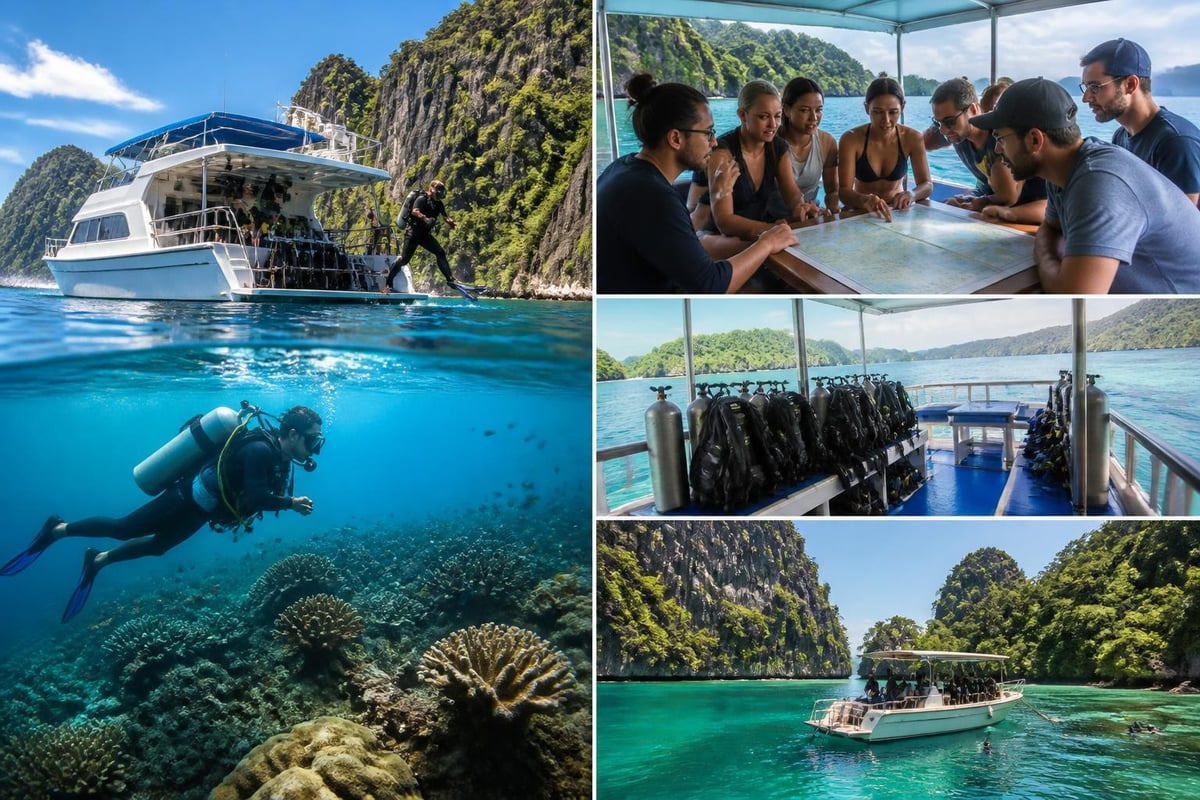
Your charter day typically begins earlier than scheduled group boats, allowing first dive completion before mid-morning crowds arrive at popular sites. Arrival procedures, boat boarding, and initial briefings set the tone for your entire experience.
Professional crews conduct thorough briefings covering boat-specific procedures, dive site characteristics, and safety protocols. Listen carefully even if you’re an experienced diver, as every vessel and location presents unique considerations.
Typical charter day timeline:
- Early morning departure (6:00-7:00 AM typical)
- First dive at primary site
- Surface interval with refreshments
- Second dive at secondary location or same site different profile
- Lunch and extended surface interval
- Optional third dive for qualified, interested divers
- Return to harbor mid-afternoon
Between dives, take advantage of the private boat environment. Spread out camera equipment, discuss marine life sightings with your guide, or simply relax without competing for shade with twenty other divers.
Surface intervals provide opportunities to explore nearby beaches, snorkel shallow reefs, or simply enjoy Palawan’s stunning seascapes. Your charter’s flexibility allows extending or shortening these breaks based on group energy levels and enthusiasm for additional diving.
Making the Most of Your Charter Investment
Maximizing charter value extends beyond dive sites and bottom time. Smart preparation and communication transform good charters into exceptional diving adventures.
Share your interests and priorities honestly during planning. Guides who understand whether you’re chasing macro subjects, hoping for pelagic encounters, or simply enjoying relaxed reef diving can fine-tune routes and pace accordingly.
Respect the expertise of your crew and guide. They know local conditions, seasonal patterns, and site-specific considerations from years of experience. While your preferences drive the itinerary, trust their judgment on safety calls and site substitutions when conditions warrant changes.
Provide feedback during your charter rather than waiting until the end. If pacing feels rushed, sites don’t match expectations, or you’d prefer different approaches, speak up. Good operators adjust readily to ensure client satisfaction and memorable experiences.
Building Relationships with Charter Operators
Regular divers often develop lasting relationships with preferred charter operators, returning annually and building trust that enables increasingly adventurous diving. These relationships benefit both parties through mutual understanding and shared expectations.
Operators who know your skills, interests, and preferences can proactively suggest new sites, optimal timing for seasonal conditions, or special opportunities matching your goals. Return clients often receive preferred scheduling, pricing considerations, and first notification of unique diving events.
Consider El Nido and Palawan as your long-term diving destination rather than a single-visit location. The region’s diversity rewards repeated visits, with different seasons, varying sites, and developing skills revealing new aspects of these remarkable underwater environments. A trusted charter operator becomes your gateway to ongoing exploration and deepening connection with Palawan’s marine world, helping you discover El Nido’s spectacular diving year after year.
A well-planned scuba diving charter transforms your Palawan diving adventure from standard tourism into personalized underwater exploration perfectly matched to your group’s abilities and interests. Whether you’re seeking family-friendly shallow reefs, challenging drift dives, photography-focused expeditions, or simply the luxury of diving at your own pace, the right charter delivers experiences impossible on scheduled group boats. Palawan Diving specializes in creating custom diving experiences throughout El Nido’s spectacular waters, offering private charters alongside PADI courses and dive packages designed for every skill level. Ready to plan your perfect diving charter? Contact us to start designing your ideal Palawan underwater adventure.