The world’s oceans hide some of nature’s most extraordinary landscapes, and finding the best scuba diving spots can transform your underwater adventures. Whether you’re planning your first dive or your hundredth, knowing where to find crystal-clear visibility, vibrant coral gardens, and thriving marine life makes all the difference. From the pristine reefs of Palawan to globally recognized marine sanctuaries, this guide explores what makes a dive site exceptional and where to find unforgettable underwater experiences in 2026.
What Makes the Best Scuba Diving Spots Stand Out
Not all dive sites are created equal. The world’s premier underwater destinations share several key characteristics that set them apart from ordinary diving locations.
Marine Biodiversity and Reef Health
Exceptional dive sites support rich ecosystems with diverse marine life. Healthy coral reefs teem with colorful fish, sea turtles, reef sharks, and countless invertebrates. The best locations maintain robust coral cover despite increasing global threats from climate change, often thanks to effective marine protection and conservation efforts.
Key indicators of quality dive sites:
- Live hard coral coverage exceeding 50%
- Presence of apex predators (sharks, barracuda, large groupers)
- Seasonal migrations or resident populations of pelagic species
- Minimal coral bleaching and active reef regeneration
- Thriving invertebrate communities (nudibranchs, octopus, crustaceans)
Visibility and Water Conditions
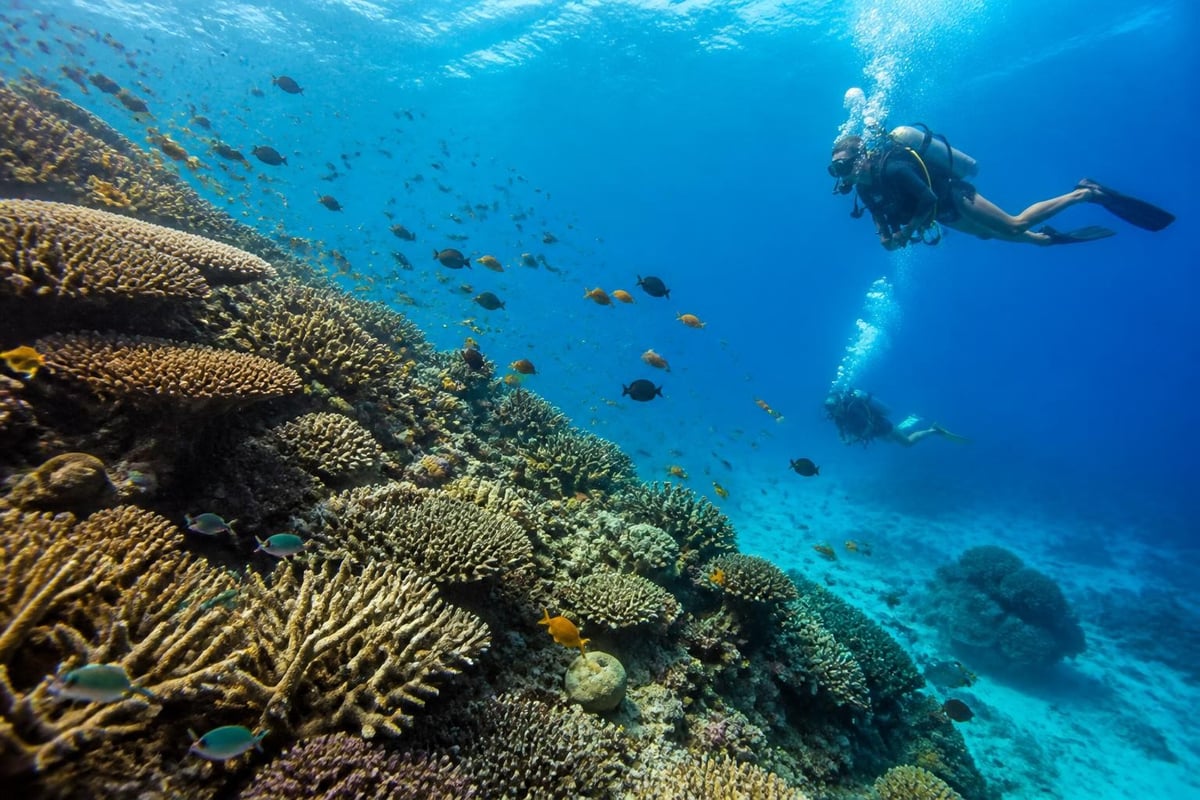
Water clarity can make or break a dive experience. The best scuba diving spots offer exceptional visibility, often exceeding 20 meters, allowing divers to fully appreciate the underwater landscape and spot marine life from greater distances.
| Condition | Poor | Good | Excellent |
|---|---|---|---|
| Visibility | < 10m | 10-20m | > 20m |
| Water Temperature | < 20°C or > 30°C | 24-28°C | 25-27°C |
| Current Strength | Unpredictable/Strong | Moderate/Predictable | Gentle/Dive-friendly |
| Surface Conditions | Rough seas | Moderate chop | Calm waters |
In places like El Nido, Palawan, visibility frequently reaches 15 to 25 meters during the dry season, with water temperatures hovering comfortably between 26 and 29°C year-round.
Accessibility and Infrastructure
Even the most spectacular reefs lose appeal if they’re difficult or dangerous to access. Top-tier dive destinations balance pristine underwater environments with reliable infrastructure.
Professional dive operators ensure safety and enjoyment. In El Nido, established centers provide well-maintained equipment, experienced guides familiar with local conditions, and boats designed for comfortable, efficient dive operations. For those seeking world-class diving experiences in Palawan, combining quality accommodation with diving access creates the ideal setup.
El Nido: Palawan’s Premier Diving Destination
El Nido consistently ranks among the best scuba diving spots in Southeast Asia, offering dramatic underwater topography, exceptional marine biodiversity, and year-round diving conditions.
Signature Dive Sites Around El Nido
The waters surrounding El Nido feature more than 40 documented dive sites, each offering unique underwater landscapes and marine encounters.
South Miniloc features:
- Sheer walls dropping 40+ meters
- Frequent sea turtle sightings
- Large schools of jacks and snappers
- Colorful soft coral gardens
Dilumacad Island (Helicopter Island) characteristics:
- Gentle sloping reefs perfect for all skill levels
- Abundant macro life including nudibranchs and frogfish
- Sandy patches between coral bommies
- Excellent for photography and beginner divers
Nat Nat Beach offerings:
- Dramatic wall dives with swim-throughs
- Reef sharks and occasional manta ray encounters
- Dense coral coverage along vertical walls
- Strong currents requiring intermediate or advanced skills
The diversity of El Nido’s dive sites ensures every diver finds suitable locations regardless of certification level or experience.
Why El Nido Qualifies as World-Class
El Nido’s position within the Coral Triangle, the global epicenter of marine biodiversity, guarantees encounters with an extraordinary range of species. The area supports over 800 fish species and hundreds of coral varieties.
Protection efforts have maintained reef health even as tourism has grown. Local marine reserves enforce sustainable diving practices, limiting daily visitors and requiring environmental briefings. These measures preserve the underwater environment while allowing divers to experience these ecosystems responsibly.
Global Icons: Best Scuba Diving Spots Worldwide
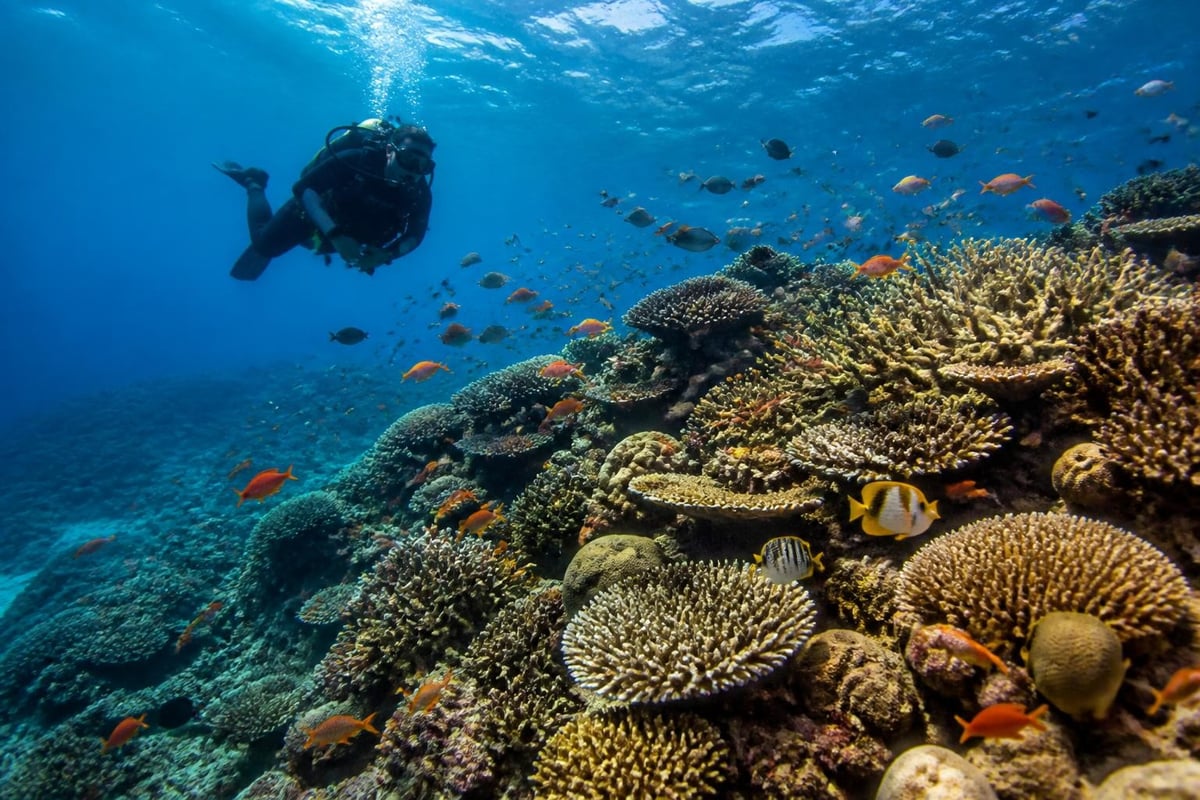
While Palawan offers exceptional diving, several destinations worldwide have earned legendary status among the diving community.
The Great Barrier Reef, Australia
The world’s largest coral reef system stretches over 2,300 kilometers along Queensland’s coast. Despite facing significant environmental pressures, the Great Barrier Reef remains one of the planet’s most biodiverse marine ecosystems.
Diving highlights:
- Over 1,500 fish species and 400 coral types
- Opportunities to dive with dwarf minke whales (June-July)
- Famous sites like Cod Hole and Ribbon Reefs
- Multiple UNESCO World Heritage protected zones
Raja Ampat, Indonesia
Situated in Indonesia’s West Papua province, Raja Ampat consistently tops lists of the best scuba diving spots globally. This remote archipelago harbors the highest recorded marine biodiversity on Earth.
The region’s 1,500+ islands create countless dive sites with pristine reefs, dramatic drop-offs, and thriving pelagic action. Divers regularly encounter manta rays, walking sharks, pygmy seahorses, and schools of barracuda in gin-clear waters.
The Red Sea, Egypt
The Red Sea offers year-round diving with exceptional visibility and vibrant coral walls. Popular destinations include Sharm el-Sheikh, Dahab, and the Brothers Islands.
| Destination | Best For | Season | Skill Level |
|---|---|---|---|
| Ras Mohammed | Coral gardens, sharks | Year-round | All levels |
| SS Thistlegorm | Wreck diving | Year-round | Advanced |
| Blue Hole, Dahab | Deep walls, unique formations | Year-round | Intermediate+ |
| Brothers Islands | Pelagic action, sharks | March-November | Advanced |
The Red Sea’s warm, salty water supports remarkable coral growth and creates buoyancy conditions that many divers find comfortable.
Caribbean Highlights
The Caribbean offers accessible diving with warm water, easy conditions, and diverse underwater landscapes. Top Caribbean dive sites include Belize’s Blue Hole, the Bahamas’ shark dives, and Cozumel’s drift diving.
Bonaire deserves special mention as a shore-diving paradise where divers access pristine reefs directly from the beach. The entire coastline functions as a marine park with over 80 marked dive sites.
Protected Marine Areas and Conservation
Many of the best scuba diving spots benefit from formal protection status. Marine Protected Areas (MPAs) regulate fishing, anchor damage, and visitor numbers to preserve reef health.
Types of Marine Protection
Understanding protection categories helps divers choose destinations committed to conservation:
No-take zones: Complete fishing bans allow fish populations and coral to recover fully. These areas typically show the highest biodiversity and largest fish.
Multiple-use areas: Permit sustainable activities including diving while restricting damaging practices. Most diving destinations fall into this category.
Seasonal closures: Protect breeding seasons or allow periodic recovery. Some sites close during coral spawning or turtle nesting periods.
U.S. National Marine Sanctuaries
The United States maintains 15 National Marine Sanctuaries offering world-class diving opportunities. These protected waters span from the Florida Keys to Channel Islands, California, each with unique underwater environments and diving conditions.
The NOAA Diving Program documents scientific research and monitoring efforts that inform management decisions at these sites, ensuring they remain among the best scuba diving spots for future generations.
Mission Blue Hope Spots
Mission Blue, founded by legendary oceanographer Dr. Sylvia Earle, identifies critical marine ecosystems deserving special protection. These “Hope Spots” highlight areas with exceptional biodiversity, endemic species, or ecological importance.
Several Hope Spots overlap with premier diving destinations, including areas of Palawan, the Coral Triangle, and various Pacific island nations. Supporting these initiatives through responsible dive tourism contributes to ocean conservation.
Seasonal Considerations for Dive Planning
Timing significantly impacts your experience at the best scuba diving spots. Weather patterns, marine migrations, and seasonal events shape diving conditions throughout the year.
Understanding Dive Seasons
Most tropical destinations experience distinct wet and dry seasons that affect visibility, sea conditions, and marine life behavior.
Dry season advantages:
- Calmer seas and easier boat access
- Better visibility (often 20+ meters)
- More comfortable surface intervals
- Predictable weather windows
Wet season considerations:
- Possible reduced visibility from runoff
- Rougher surface conditions
- Lower tourist numbers and prices
- Some sites may be inaccessible
In El Nido, the prime diving season runs from November through May, with December through April offering the most consistent conditions. However, diving continues year-round, with experienced operators safely accessing sites even during the southwest monsoon.
Seasonal Marine Life Events
Certain times of year bring special encounters that define the best scuba diving spots:
- Manta ray aggregations: Many destinations see increased manta activity during specific months when plankton blooms attract these gentle giants.
- Whale shark season: Sites like the Philippines’ Donsol, Mexico’s Isla Mujeres, and the Maldives have predictable whale shark seasons.
- Spawning events: Coral spawning, grouper aggregations, and other reproductive gatherings create spectacular diving opportunities.
- Migration routes: Some sites see seasonal visits from dolphins, whales, or schools of pelagic fish.
Planning around these events can elevate a good dive trip into an extraordinary experience.
Matching Dive Sites to Your Experience Level
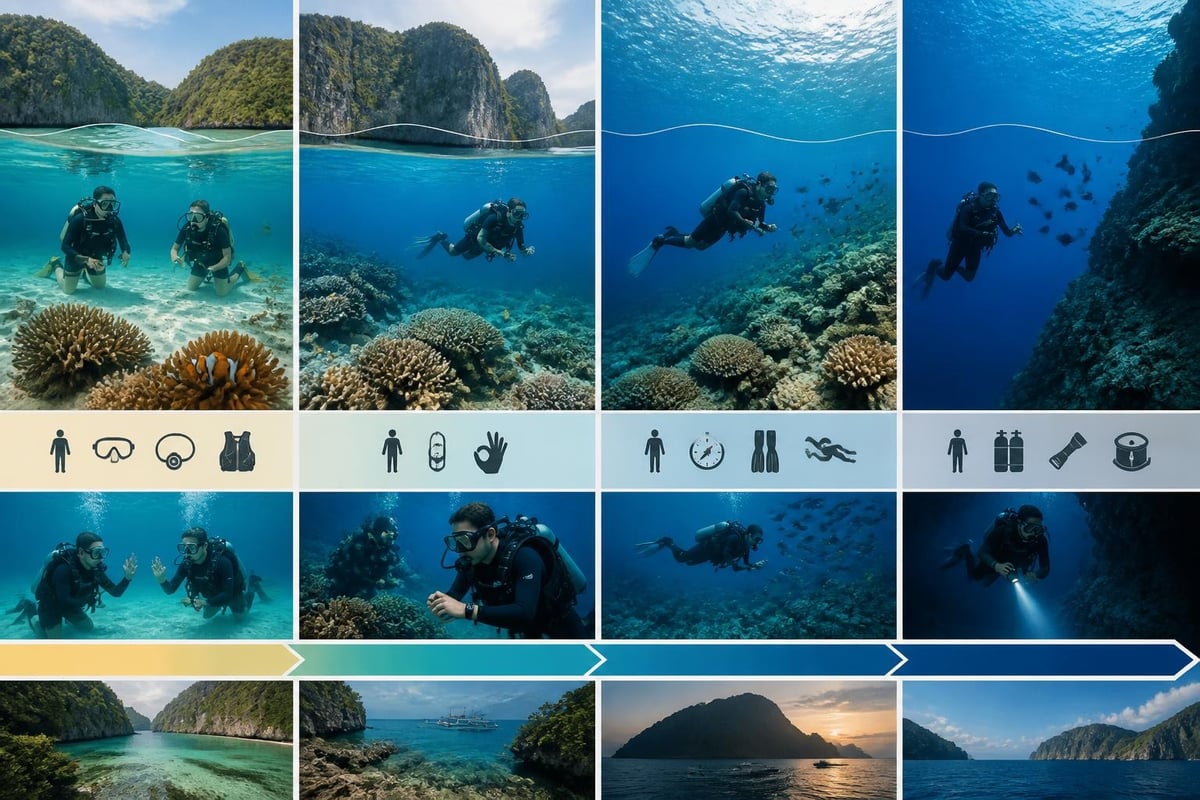
The best scuba diving spots cater to all certification levels, but choosing appropriate sites ensures both safety and enjoyment.
Beginner-Friendly Characteristics
Newer divers should seek sites with gentle conditions and accessible environments. Ideal beginner locations feature shallow reefs (10-18 meters), minimal currents, easy entries and exits, and abundant marine life at recreational depths.
Protected bays and lagoons often provide perfect conditions for building confidence. Getting started with diving in El Nido offers exactly these conditions at sites like Tres Marias and Cathedral Cave.
Intermediate Progression
As divers gain experience and additional certifications, they can safely explore more challenging environments:
- Moderate current dives requiring better buoyancy control
- Deeper sites (18-30 meters) with advanced planning
- Drift diving along walls and channels
- Navigation challenges around complex reef structures
Advanced Opportunities
Experienced divers seek the best scuba diving spots that offer unique challenges and rare encounters. These might include deep walls, strong current dives, technical wreck penetrations, or remote locations requiring extended boat journeys.
Advanced sites reward skilled divers with pristine conditions, large pelagic species, and underwater landscapes beyond recreational diving limits.
Combining Accommodation and Diving
The logistics of a dive trip matter as much as the underwater experience. The best scuba diving spots become even more appealing when paired with convenient, comfortable accommodation.
Staying close to dive operations eliminates daily travel, allows for early boat departures, and creates a seamless vacation experience. When accommodation, diving, and dining exist in one location, you maximize time underwater and minimize logistical headaches.
For travelers planning an El Nido diving holiday, the El Nido Dive & Stay Package combines beachfront accommodation at The Beach House with daily diving from Submariner Diving Center. This setup means diving literally from your doorstep, with the boat departing steps from your room and the Cloud 9 rooftop restaurant providing post-dive meals and sunset views.
Responsible Diving Practices
Preserving the best scuba diving spots requires conscious effort from every diver. Responsible practices ensure these underwater environments remain healthy for future generations.
Core Principles
Perfect buoyancy control prevents accidental coral contact and reduces silt disturbance. Regular practice and proper weighting make every dive safer and more environmentally friendly.
Look but don’t touch applies to all marine life and coral formations. Even gentle contact can damage delicate polyps or stress animals.
Secure all equipment to prevent dangling gauges, octopuses, or accessories from dragging across the reef.
Follow local regulations regarding marine reserves, protected species, and site-specific rules. These exist to preserve the underwater environment.
Sustainable Dive Operators
Choosing operators committed to conservation amplifies your positive impact. Look for dive centers that:
- Maintain small group sizes
- Provide comprehensive environmental briefings
- Use mooring buoys instead of anchoring
- Participate in reef monitoring or cleanup activities
- Support local conservation initiatives
- Employ and train local staff
Planning Your Next Dive Adventure
Researching the best scuba diving spots is just the beginning. Successful dive trips require thoughtful planning around certification, health, equipment, and logistics.
Pre-Trip Checklist
Certification verification:
- Ensure your c-card matches planned dive depths
- Complete refreshers if you haven’t dived recently
- Consider advancing your certification for better site access
Health and fitness:
- Schedule a dive medical if required
- Review medications with a dive-aware physician
- Maintain general fitness for boat and equipment handling
Equipment decisions:
- Decide between renting and bringing gear
- Service your regulators and computers
- Verify equipment compatibility (especially for Nitrox diving)
Travel logistics:
- Book accommodations near dive operations
- Allow no-fly time before departures
- Consider dive insurance for medical emergencies
Researching Destinations
National Geographic’s global diving guides and regional roundups provide excellent starting points for destination research. Cross-reference multiple sources to understand conditions, costs, and seasonal variations.
Reading recent trip reports and reviews from independent divers offers current, unbiased information about dive operators and site conditions.
Environmental Threats to Dive Sites
Understanding the challenges facing the best scuba diving spots creates awareness and motivates conservation support. Coral reefs worldwide face unprecedented pressures in 2026.
Climate Change Impacts
Rising ocean temperatures trigger coral bleaching events that have affected reefs globally. When stressed by heat, corals expel their symbiotic algae, losing both color and their primary food source. Severe or repeated bleaching can kill entire reef sections.
Ocean acidification from increased CO2 absorption weakens coral skeletons and reduces growth rates. This makes reefs more vulnerable to storms and limits their recovery potential.
Human Pressures
Overfishing removes herbivorous fish that control algae growth, allowing algae to smother corals. Destructive fishing practices using explosives or cyanide directly damage reef structures.
Coastal development increases sedimentation and pollution that cloud water and smother coral polyps. Poor waste management introduces plastics and chemicals that harm marine life.
Conservation Success Stories
Despite these challenges, conservation efforts show that protection and active management can restore reef health. Marine protected areas with enforced regulations demonstrate measurable improvements in fish populations, coral cover, and ecosystem resilience.
Community-based conservation programs that involve local stakeholders in reef protection often achieve the most sustainable results. These initiatives balance environmental protection with economic opportunities from dive tourism.
Beyond Tropical Reefs: Alternative Dive Environments
While coral reefs dominate discussions of the best scuba diving spots, other underwater environments offer equally compelling experiences.
Wreck Diving
Artificial reefs created by sunken ships provide habitat for marine life while offering unique exploration opportunities. Historical wrecks connect divers with maritime history, while purpose-sunk vessels create instant reef systems.
Famous wrecks include the SS Thistlegorm in the Red Sea, USS Oriskany in Florida, and USAT Liberty in Bali. Each tells a story while supporting vibrant marine communities.
Kelp Forests
Cold-water kelp forests create three-dimensional underwater jungles teeming with life. California’s Channel Islands, South Africa’s False Bay, and Tasmania’s coasts feature spectacular kelp diving.
These ecosystems support entirely different species than tropical reefs, including seals, sea otters, wolf eels, and colorful nudibranchs.
Cenotes and Cave Systems
Mexico’s Yucatan Peninsula offers unique freshwater diving in crystal-clear cenotes and underwater cave systems. These geological formations provide otherworldly experiences with dramatic light effects and prehistoric formations.
Cave diving requires specialized training but rewards skilled divers with unforgettable environments found nowhere else on Earth.
Cold-Water Diving
Arctic and Antarctic diving reveals unique marine life adapted to extreme conditions. While requiring specialized equipment and training, these destinations offer encounters with species like leopard seals, penguins, and massive invertebrates.
Norway’s fjords, Iceland’s Silfra fissure, and British Columbia’s waters provide accessible cold-water diving with exceptional visibility and unusual marine life.
Dive Training and Skill Development
Accessing the best scuba diving spots often requires advancing beyond basic certification. Continuing education opens new environments and improves safety.
Specialty Certifications
Deep Diver: Qualifies you for dives to 40 meters, accessing deeper walls, wrecks, and pelagic cleaning stations.
Nitrox: Extends bottom time on repetitive dives by using enriched air with higher oxygen content.
Wreck Diver: Teaches safe wreck exploration techniques and limited penetration skills.
Drift Diver: Develops skills for diving in currents and understanding drift-diving protocols.
Underwater Photography: Combines diving with photography techniques for capturing underwater moments.
Each specialty enhances your diving capabilities and makes certain sites more accessible and enjoyable.
Building Experience
The best way to improve diving skills is simply to dive more frequently. Each dive builds muscle memory for critical skills like buoyancy control, navigation, and emergency procedures.
Varying environments challenges you differently. A diver comfortable in calm tropical lagoons may need adjustment for cold water, currents, or limited visibility. Seeking diverse conditions builds adaptability and confidence.
The best scuba diving spots share exceptional marine biodiversity, healthy reef ecosystems, and reliable infrastructure that makes underwater exploration both safe and rewarding. Whether you’re drawn to Palawan’s pristine reefs, the Caribbean’s warm waters, or cold-water kelp forests, each destination offers unique encounters and unforgettable memories.
Ready to explore El Nido’s world-class dive sites? Submariner Diving offers professional guidance, well-maintained equipment, and intimate knowledge of Palawan’s underwater landscapes. From beginner courses to advanced fun diving and private charters, we’ll help you discover why these waters consistently rank among the Philippines’ premier diving destinations. Contact us today to start planning your El Nido diving adventure.